Thursday, July 22, 2010

Plastic Manners in a Rubber Society


I'm rubber, you're glue, whatever you say, bounces off of me and sticks to you. You've heard it said across the land. From playground to playground. The early training in speech for politely letting the aggressor know they have crossed the line. This is supposed to shock them into stopping in their tracks. The problem with this is that each generation learns less from the one before about how to use its manners. This creates a cycle of practiced pretense at having manners. People creating their own moral code. What they think good behavior should be. Everyone sets the bar at a different level. So, while little Bobby chants about rubber and glue, Bubba is making a knuckle sandwich. After all, these are the manners he is learning at home.

That is just school yard politics. Let us talk about adults on an average shopping day. The setting is a mildly warm Texas day in the end of December. Just a few days before Christmas. All the stores have the tinny music of the season blasting out of the speakers. Shoppers are wandering to and fro in a last minute shopper stupor. People are pushing and shoving. No apologies uttered. Grabbing items haphazardly from off the shelf. Change of heart, throw it on a shelf in another department. Who cares anyway, that's what the people get paid for right? Rush, get it don't make eye contact. What is the first thing you notice as you look around when you walk into a store, restaurant or coffee shop? That's right, No one wants to be there. Especially the employees. Not very often do you hear I'll be with you in a moment. It can be frustrating yes? Yes.

Another area that I notice a lack of learned politeness is when you are in the never ending loop of being passed from non-helpful person to non-helpful person on the phone with customer support. The veiled contempt that a customer is shown over the phone is very difficult to deal with. Often I feel like dispensing with good manners and having a nice verbal throw down. Especially after the 3rd or 4th person. More often than not, say with a cable company, you are told it is user error. This makes you feel quiet bright. Am I right? I think I am.

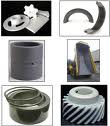
www.made-from-india.com provides a huge verity of plastic & rubber product and their manufacturer, suppliers, exporters.

Let's not even talk about what happens as we drive about. How about people calling to telemarket at your home? Doesn't that feel like an invasion? Not so polite. I don't mean to be so negative. It would just be so much more of a peaceful and quiet world to live in if we were all a bit more polite and nicer to one another.

Monday, June 14, 2010

Benefits of Rubber Feet, Rubber Bumpers, Bumper Feet and Plastic Bumpers


Rubber feet give quality traction, exceptional shock absorbing feature and unlike natural rubber they have superior non-marking qualities and excellent resistance to stress cracking. They are used in different industries including the industrial, consumer, household sector and many more. Good quality rubber feet are manufactured by using 'Santoprene' thermoplastic rubber. Other materials like polypropylene and polyethylene are used when required.

Rubber feet are low-skid rubber attachments that are connected to the bottom of objects to prevent slippage, limit floor scratching and soften sound. Rubber Feet are also known as rubber bumpers. These rubber bumpers serve as high performance feet, stoppers, or spacers, absorbing vibration, noise and impact to prevent damage to most surfaces. They offer excellent non-slip properties, do not mark surfaces and blends into surrounding furniture, being made in a variety of colors, to fit almost every application.

Rubber bumpers, rubber feet can be custom made to fit the requirements of various clients. There are different manufacturers available to offer customized rubbers, feet and the customers can choose the one best suited for them. The clients have certain specifications and it is always advisable to go for authentic and reliable manufacturers.

Bumper feet are available in crystal clear format and are practically invisible when applied to colored or see-through surfaces such as glass or plastic. Quality bumper feet use no plasticizers, oils or fillers which are widely used in subsidized products.

Good plastic bumpers are one piece construction made of environment friendly raw materials and are excellent for both outdoor as well as indoor use. They are durable, convenient and are available at the most affordable prices. They are developed, keeping in mind the various utility of the plastic feet. It perfectly fits the bill for all sorts of use as they are available in various shapes and sizes. Plastic bumpers can be available in different colors as per required by the client. They can be tailor-made to meet the requirements.

Saturday, May 29, 2010

Let's Save Our Planet Through Plastic Recycling


One of the frequently used products in U.S is plastic. Plastic is used for varied purposes. It is used for packaging consumer products, for carrying food and drinks, building toys, and for almost every conceivable reason. There are more than 10,000 varied kinds of plastic to be found. The product is versatile enough to be blended with different elements and thus it has limitless utility.

However, plastic contains petroleum - a non-renewable resource. Thus greater the amount of petroleum burnt to create newer plastic products, the higher is the amount of greenhouse gas emission. Plastic recycling is the answer to this menace.

What is plastic recycling?

Plastic recycling refers to recovery of scrap and waste plastics. The recovered scrap plastic is reprocessed into different useful products, may be absolutely different in shape or form from the original state. As an example, soft drink bottles are melted down and cast as plastic tables and chairs.

Some plastics for recycling

The most common and easiest form of plastic to recycle is made of polyethylene terephthalate (PETE). This is assigned number 1. Medicine containers and soda water bottles may be recycled to form sleeping bags, life jackets, rope, car bumpers, etc.

The polyethylene or high-density plastics are the heavy containers of laundry detergents, shampoo, motor oil, etc. This form of plastic has been assigned number 2 and is recycled into plastic lumber, toys and piping.

www.made-from-india.com is a b2b portal which provide manufacturer, suppliers & exporters for plastic products. Plastics and Rubber Products have become a common feature in homes. For that matter even Industries have fallen hook, line and sinker for the two. Two major factors like credibility and versatility have been driving their demand. Considering the soaring demand for plastic and rubber products, we have come up with a common platform for all plastic and rubber manufacturers, suppliers, exporters and buyers, to trade with each other at the click of a mouse. A few years back, transactions used to take place ‘on –field’, with both parties sitting face-to-face, before closing the deal. Here, the major plus point is the transaction is taking place ‘on-line’ and you can strike a profitable deal right away. Sitting face-to-face can be done anytime.

Polyvinyl chloride plastic used in shower curtains, baby bottle nipples is given number 3. Wrapping films, sandwich bags contain low-density polyethylene is assigned number 4 while polypropylene containers found in Tupperware is number 5. These have comparatively low rates of recyclability. The hardest form of plastic to recycle is one which is composed of all the different forms of plastics mentioned above and is assigned number 7.

Monday, May 17, 2010

Eco Key Chains - Earth Friendly Recycled PVC Products


What is an Eco-Key Chain Anyway?

An eco-key chain is a key chain that is earth friendly and does not contain previously unused virgin materials and is made from sustainable or post consumer materials. Most key chains and key fobs are made from leather, wood, metal or plastic that is virgin or pre-consumer based, meaning it was made from previously unused material.

Eco-key chains are commonly made from recycled, post-consumer materials like recycled leather scraps, wood, paper or reclaimed PVC resin. Some people think that because a product is made of leather or wood, it is eco-friendly. This is not always the case, just ask the cow or tree how friendly they feel about it. But recycled leather and wood products can be recycled and re-used to create post-consumer, recycled items.

This is now also becoming true in the plastics manufacturing arena. Whereas manufacturers in China and abroad continue to manufacture with virgin, pre-consumer plastics which can contain many unnecessary and hazardous ingredients like melamine and cadmium, some USA manufacturers are leading the charge to develop greener methods of production.

One California based company is reusing the waste resins that would normally go into making garden hoses and is now keeping it on site to fill the growing demand for recycled, eco-friendly or green 3D rubber emblems and 95% post consumer PVC key chains for use in the ad specialty and promotional products industries. They also use this reclaimed, recycled resin to produce other items like labels for clothing, beverage coasters, hang tags and other soft plastic items that were once only offered in non-recycled form.

Why Use Reclaimed or Recycled PVC for Key Chains?

The reason there is a growing demand for recycled plastic products is due to the growing awareness of consumers to the hazardous amounts of virgin plastic filling our landfills and oceans. Daily, consumers are hit by a barrage of commercials informing us that plastic water bottles take a lifetime to biodegrade. Some experts estimate that it could take anywhere from 450-1000 years for them to degrade in a landfill, depending on the type of plastic and the size of the bottle.

Add to that alarming statistic, the fact that there is a floating soup of plastic twice the size of the continental United States and weighing approximately 100 million tons swirling around in the middle of the Pacific Ocean and you can see why people are getting concerned. As a result of this new-found awareness, consumers are reacting by demanding that the products they buy be not only safe, but eco-friendly and earth conscious.

Two major factors like credibility and versatility have been driving their demand. Considering the soaring demand for plastic and rubber products, we have come up with a common platform for all plastic and rubber manufacturers, suppliers, exporters and buyers, to trade with each other at the click of a mouse. A few years back, transactions used to take place ‘on –field’, with both parties sitting face-to-face, before closing the deal. Here, the major plus point is the transaction is taking place ‘on-line’ and you can strike a profitable deal right away. Sitting face-to-face can be done anytime.

Native American Elders would often teach their tribes to bear in mind that the things they do today will affect the next seven generations. Since generations typically span about 25-50 years, seven generations would be equal to 175-350 years, or about 100 years short of the best estimate for the time needed for one plastic bottle to degrade.

Friday, March 5, 2010

The Different Types of Plastics and Their Uses

ABS : a terpolymer made from three monomers, acrylonitrile, butadiene and styrene. Acrylonitrile and styrene provide chemical resistance, butadiene adds impact resistance and makes the plastic suitable for furniture, computer housings etc.

Acrylic: a hard thermoplastic made from acrylic acid or a derivative of acrylic acid. Best known as a glass substitute, typically under the trade names Perspex, Lucite and Plexiglas.

Amino plastics: Plastics made from ammonia based compounds, namely urea formaldehyde and melamine formaldehyde.

Bakelite : really a trade name but frequently used as a generic name for phenol formaldehyde (phenolic).

Cellophane : A Du Pont trade name for film made from regenerated wood pulp (cellulose).

Cellulose : The fibrous matter in all plant cells, with a long chain molecular structure. The most common sources used for making plastics are cotton fibres and wood pulp

Cellulose acetate: A tough thermplastic made from cellulose in the form of cotton linters, treated with acetic acid and acetic anhydride. Used for many domestic mouldings such as spectacle frames, toothbrush handles, and as transparent packaging film.

Cellulose acetate butyrate: A thermoplastic made from cellulose treated with acetic and butyric acids. Transparent, opaque or coloured, with excellent moulding qualities, used where more moisture resistance and dimensional stability than cellulose acetate is required.

Copolymer: A plastic made by polymerizing two monomers, eg styrene and acrylonitrile .

Elastomer: A synthetic plastic with the flexible properties of rubber.

Epoxy resin: A very tough thermosetting resin used as a coating, or reinforced to make mouldings or laminates.

Ester : A compound produced by the reaction between an acid and an alcohol.

GRP : Glass reinforced polyester, ie polyester resin strengthened by glass fibres, making the resin, which has no strength of its own, into a very tensile material. Widely used to build boats, furniture and cars.

HIPS : High impact polystyrene

LLDPE : Linear low density polyethylene, a new type of low density polythene.

Melalmine : Melamine formaldehyde, a thermoset produced by reacting (triaminotriazine) with formaldehyde. A tough glossy plastic usually strengthened with a filler of wood pulp.

Monomer: A simple low molecular weight compound. Polymerization links monomers together to form high molecular weight polymers.

Nylon: Not one material but a group of very tough and flexible materials called polyamides. Thermoplastic and usually found as fibres or used solid, as gears, zips and more recently as dyed jewellery.

Phenolic: abbreviated version of phenol - formaldehyde. Phenolic is usually reinforced with a filler, but cast phenolic has no filler and can be translucent. It can be easily coloured and is used decoratively for jewellery, radio cabinets and all kinds of ornaments.

Polycarbonate : A very tough thermoplastic, usually found as a substitute for glass, eg: vandal proof telephone kiosks,bullet proof shields, baby bottles and picnicware.

Polyesters : Complex ester compounds which are thermosetting and can be polymerized at room temperature, eg GRP.

Polymer : Another word for a plastic material: one which has been made from chains of molecules of one or more monomers. Polymers (plastics) are organic substances, made from hundreds or thousands of molecules linked together in a repeating chain pattern (also known as macromolecules).

Polymerization : The chemical process of linking monomers to form new compounds called polymers. For example,ethylene is polymerized into polyethylene, (polythene for short).

Polypropylene : A thermoplastic polymerized from propene, very close to polythene in molecular structure, but harder, stronger and less flexible.

Polystyrene : A brittle.water white thermoplastic polymerized from styrene - (phenylethylene). The brittleness is overcome by adding some butadiene, which results in toughened polystyrene also known as high impact polystyrene (HIPS), a copolymer of butadiene and styrene. Expanded polystyrene is the rigid white foam used for packaging.

Wednesday, March 3, 2010

Plastics and Its Many Uses to Man

Before plastics were introduced many decades ago, people used things like straw baskets, glass jars, paper and cloth bags, leather footwear, wooden toys, glass dishes, wood boxes, cotton shower curtains and organic fiber clothing like cotton, silk and linen. Now, almost all things around you are plastics. Even pipes, bottles, containers and garments are now made of plastic. Newly designed electronic equipment are mostly made of plastic material.

Plastic material items have become an indispensable part of our daily lives as many objects we are using daily are made from some kind of plastic. Plastic has many benefits over other materials since it costs much less, resists corrosion and is highly flexible and durable.

While all these properties make it the perfect material for making many substances, waste plastic material can be a threat towards the atmosphere. But regular information on proper waste disposal could resolve this problem. A global movement to educate people on the proper handling of these plastic wastes could be a lot of help to preserve our environment.

One way of helping the environment is to recycle the plastics. Although plastics are more complicated than it looks, having a way of recycling them would be a lot of help. Plastics are categorized into grade levels. Under the plastic containers have numbers indicating grade level 1 to 7. Plastic 1 and 2 are the commonly used plastics like soda bottles and cooking oil bottles. Plastic #1, the so called PET (polyethelyne terephthalate), are the most commonly used plastic and the most recyclable one. Plastic #2 also known as high density polyethelene (HDPE) are used for detergent bottles and many other food containers and a little harder than the PET. Plastics #3 too #7 needs an established plastic recyclable plants for them to be reused as they require a much bigger and complicated equipment to process.

Plastics nowadays have been utilized more frequently than ever before because of the many advantages and the flexibility it can offer to almost any kind of industries. People just have to know how to handle its waste disposal and recycle as much as possible.

Tuesday, February 23, 2010

Recycled Plastic Flash Drives - Perfect For Business and Advertising

The idea to recycle plastic is an excellent one. And you'd be amazed at how useful recycled plastic products can be. Everyone who uses a computer will have used a flash drive or memory stick at some point. And there is no need to rely on ones that aren't made from recycled stuff any more either.

Eco-friendly USB memory sticks are a great way to promote any business. For starters they are extremely useful and people tend to view them as a reasonably expensive item as a result.

This is good news for your business as your generosity and practical nature will not go unnoticed. And neither will your business name and logo, since you can have them printed onto any number of recycled plastic flash drives you wish to buy. As recycled business gifts go, these have to be among the most useful ones on the market today.

Furthermore there are lots of different designs made from either recycled plastic, recycled rubber or a mix of both. Various kinds of recycled stuff can be used to create flash drives of different shapes and sizes, so you will always be able to find something that suits your needs, as well as those of your customers of course.

You might like to opt for the keyring version that will keep the flash drive close at hand at all times. Alternatively a twist design will enable you to keep the memory stick safe from dust when it isn't being used. But whatever style you use you can have your business name in a prime position on the recycled plastic casing.

Of course buying a batch of memory sticks made from recycled plastic products will involve an outlay for you at the beginning. But they could solve the problem of having to think about what to buy as corporate or business gifts.

You can have presentation boxes made up from recycled cardboard that have your business name on the front as well. This enables you to give them away and make them that bit more eye catching too. A recycled plastic or recycled rubber flash drive inside a box made from recycled cardboard - what better way to promote your business as an eco-friendly one than this?